
Long weekends in 2026
Long Weekends in Poland 2026
Thursday to Sunday
21222324252627Enjoy a 4-day break

Make more of your weekend
Find toursNovember 2026
December 2026
Flights for your dates
Find flightsWeekend reminders
One browser notification at 18:00 the day before the weekend starts, in your device’s time zone. Uses the country shown here. You can turn it off at any time.
Public holidays · Poland · 2026
National holidays and a standard workweek; regional dates and employer-specific days off may differ.
All Saints' Day
All Saints' Day
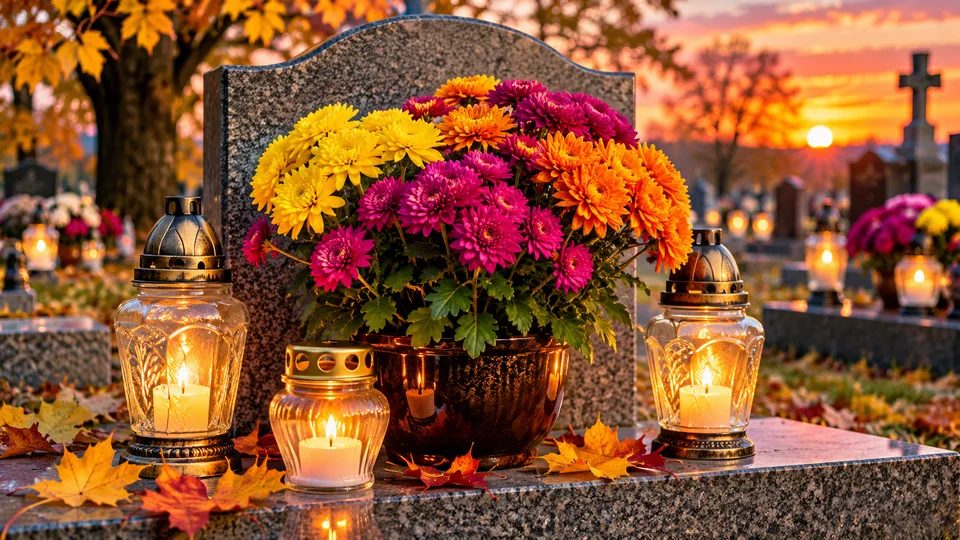
All Saints’ Day honours all Christian saints, including those without a separate feast day. The Western Church’s observance on 1 November took shape in the early medieval period. In Poland, visits to family graves also connect it with All Souls’ Day, the remembrance of the dead on 2 November.
Families clean graves, leave flowers and light znicze, the grave candles that fill cemeteries with light after dusk. Many people take part as an act of remembrance regardless of religious practice.
Expect busy roads near cemeteries and check special bus services. Keep visits quiet and ask before photographing families.
Dates and regions
- · National calendar
- · National calendar
- · National calendar
Assumption Day
Assumption Day
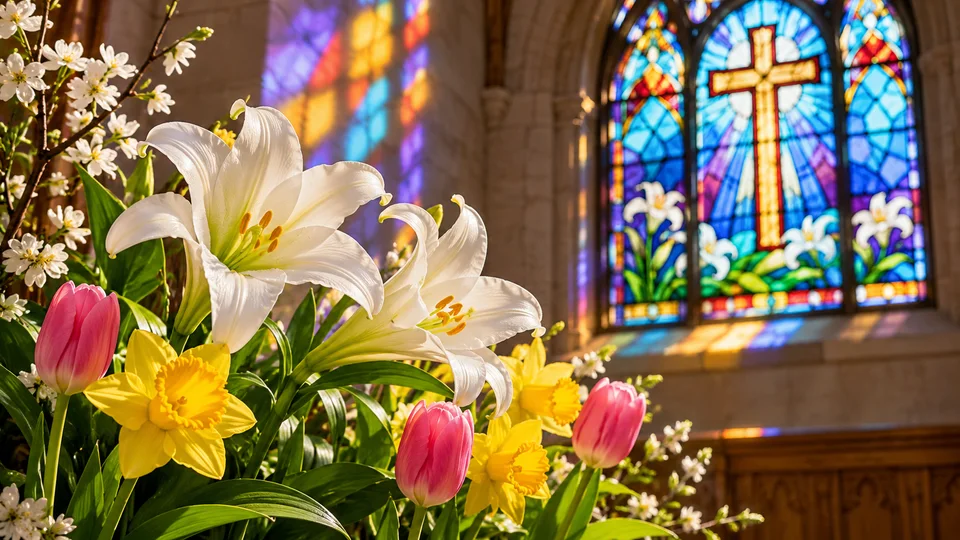
The Assumption celebrates the Catholic belief that Mary was taken into heaven, body and soul. In Poland it is also known as Our Lady of the Herbs. The same date is Armed Forces Day, commemorating the Polish victory in the Battle of Warsaw in 1920.
Some Catholics bring herbs and flowers to church for a blessing. Pilgrimages and military commemorations belong to different traditions sharing the date.
Check access near pilgrimage destinations and announced ceremonies. Road closures and busy transport depend on the local programme.
Dates and regions
- · National calendar
- · National calendar
- · National calendar
Christmas Day
Christmas Day
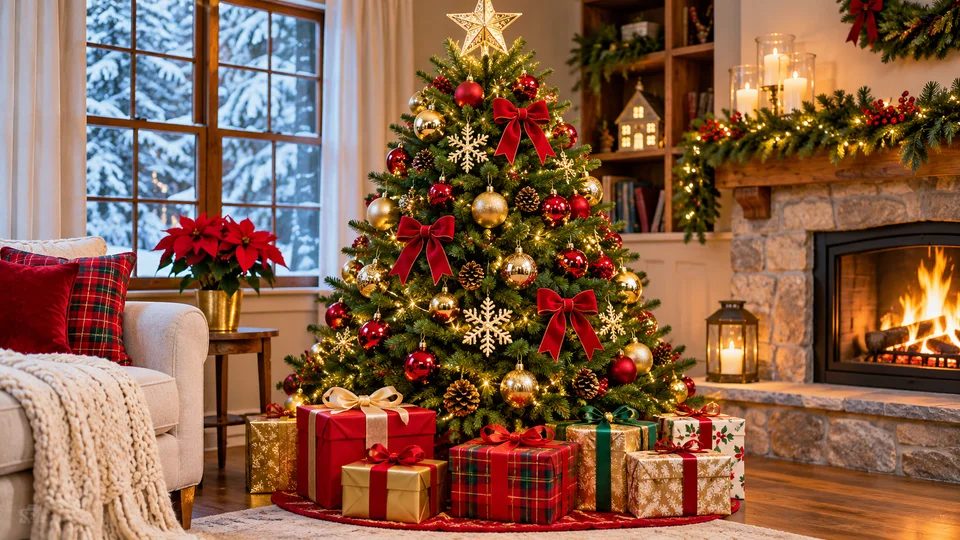
Boże Narodzenie, the Polish name for Christmas, means “God’s birth”. The feast celebrates the birth of Jesus; 25 December was observed in Rome by the fourth century. In Poland, the main family supper usually takes place the evening before, on Wigilia.
For many families, Christmas Day brings church services, carols, shared meals and visits. Others spend it quietly or do not observe the religious feast.
Confirm meals and transport in advance. Do not rely on normal shop or attraction hours.
Dates and regions
- · National calendar
- · National calendar
- · National calendar
Christmas Eve
Christmas Eve
The Polish name Wigilia comes from the Latin word for a vigil, a time of waiting before a feast. The Christmas Eve supper blends Christian observance with family and folk traditions. Christmas Eve became a statutory public holiday in Poland in 2025.
Many families wait for the first star, share the opłatek wafer and sit down to a meatless supper. An extra place setting and twelve dishes are familiar traditions, though households differ.
Arrange dinner and groceries beforehand. Many restaurants close or require reservations, and evening transport may be reduced.
Dates and regions
- · National calendar
- · National calendar
- · National calendar
Constitution Day
Constitution Day
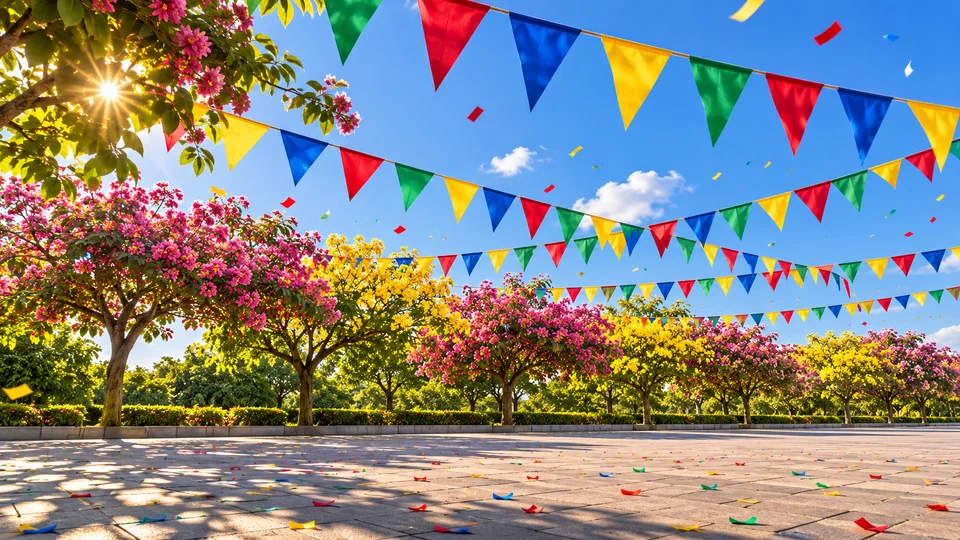
On 3 May 1791, the parliament of the Polish–Lithuanian Commonwealth adopted a constitution intended to strengthen government and reform the state. Although short-lived, it became an enduring symbol of political renewal. The modern public holiday was restored in 1990.
Flags, state ceremonies and concerts mark the anniversary. Together with 1 May it forms the spring break known as majówka; 2 May is Flag Day, but is not automatically a public day off.
Book popular spring destinations early. Check local event routes and opening hours rather than assuming the whole period is a public holiday.
Dates and regions
- · National calendar
- · National calendar
- · National calendar
Corpus Christi
Corpus Christi
Corpus Christi is Latin for “Body of Christ”. The Catholic feast developed in medieval Europe and was extended to the wider Church by Pope Urban IV in 1264. In Poland it falls on the Thursday after Trinity Sunday, with its date linked to Easter.
Outdoor processions often stop at four decorated altars. Some children scatter flower petals, while residents prepare flowers and decorations along the route.
Check procession routes for temporary road closures. Watch respectfully from the side and avoid interrupting worship.
Dates and regions
- · National calendar
- · National calendar
- · National calendar
Easter Monday
Easter Monday
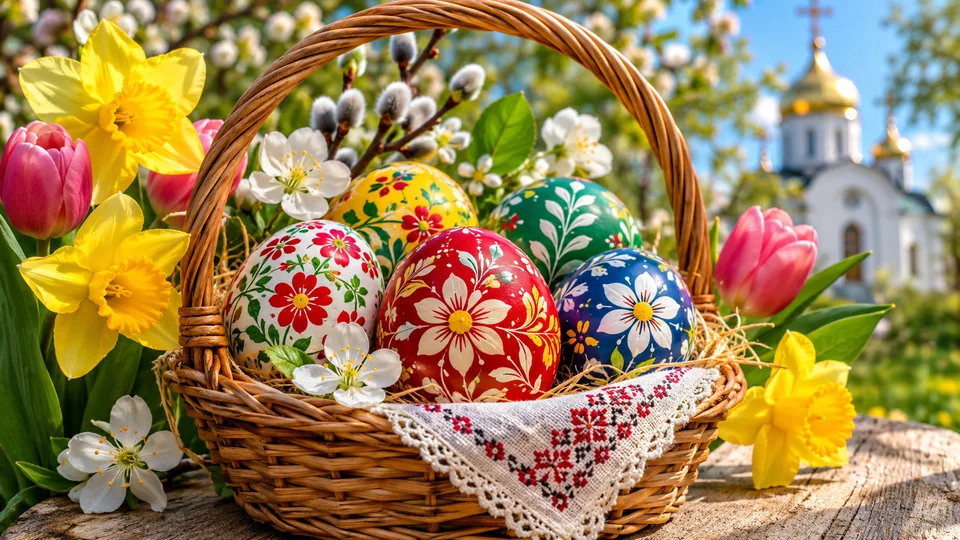
Easter Monday is the day after the Christian celebration of Jesus’ resurrection. Its Polish nickname Śmigus-Dyngus preserves older springtime customs of water sprinkling and visiting neighbours, which became part of the Easter season.
Water play is the best-known tradition, alongside family visits and shared meals. Participation varies; a holiday custom does not mean strangers welcome being soaked.
Protect phones near water play and respect anyone who declines to join. Check the second day’s holiday opening hours separately.
Dates and regions
- · National calendar
- · National calendar
- · National calendar
Easter Sunday
Easter Sunday
The Polish name Wielkanoc means “Great Night”, referring to the night of Jesus’ resurrection in Christian belief. Easter is the central Christian feast, rooted in the Gospel accounts and the early Church. Its date moves each year according to the church calendar.
Many families attend a resurrection service and share an Easter breakfast, often with eggs and food blessed in baskets on Holy Saturday. Customs vary between households.
Arrange meals ahead and check attraction and transport schedules. Give worshippers space if visiting a church.
Dates and regions
- · National calendar
- · National calendar
- · National calendar
Epiphany
Epiphany
Epiphany comes from a Greek word meaning “manifestation” or “appearance”. In Poland it is commonly called Trzech Króli, Three Kings’ Day, after the Magi who visit Jesus in the Gospel of Matthew. Their number comes from the tradition surrounding their three gifts.
Some towns hold Three Kings processions. Catholics may have chalk blessed and mark doorways with a blessing and the year; many other residents simply enjoy the day off.
Check procession routes locally and confirm shop hours. Church services and public processions have different visitor arrangements.
Dates and regions
- · National calendar
- · National calendar
- · National calendar
Independence Day
Independence Day
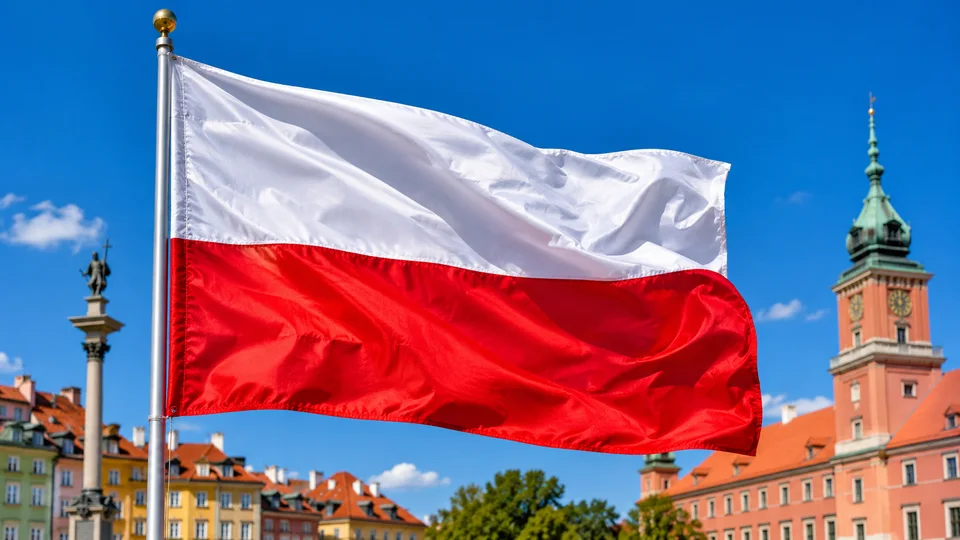
On 11 November 1918, Józef Piłsudski took command of the emerging Polish army in Warsaw. The date became a symbol of independence after 123 years of partitions by Russia, Prussia and Austria. The national holiday was established in 1937, abolished under communist rule and restored in 1989.
Flags, remembrance ceremonies, concerts and independence runs mark the day. Warsaw also hosts large marches with different organisers and political views; they do not represent everyone in Poland.
Check routes around announced gatherings, allow for transport diversions and confirm shop hours before setting out.
Dates and regions
- · National calendar
- · National calendar
- · National calendar
May Day
May Day
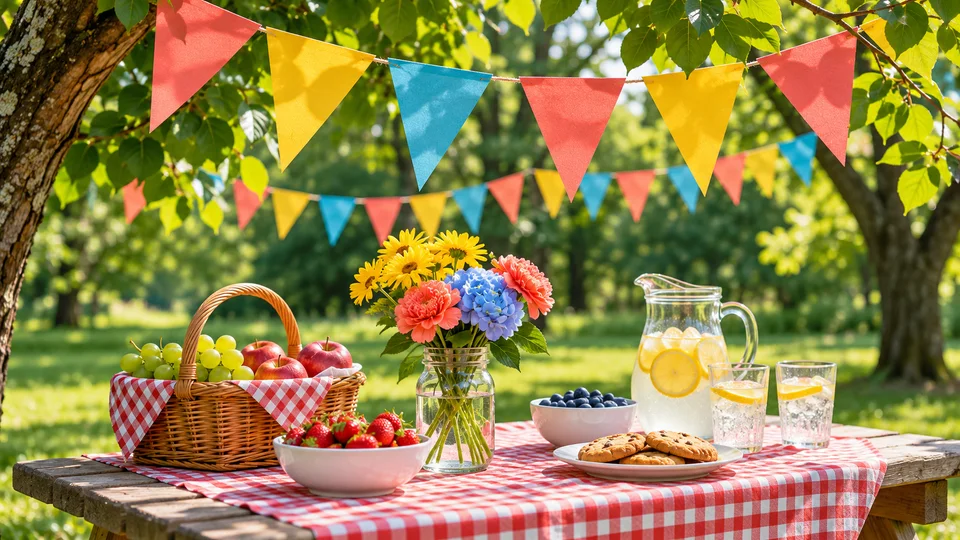
May Day became associated with workers’ rights after the labour struggles of the late nineteenth century, including events in Chicago in 1886. Poland made 1 May a state holiday in 1950. Its official celebrations under communist rule are one part of its history; today it also opens the spring break known as majówka.
Union gatherings may take place, while many people head outdoors, meet friends or take a short trip. There is no single way to observe the day.
Expect demand for spring breaks, especially near 3 May. Confirm transport, bookings and shop hours.
Dates and regions
- · National calendar
- · National calendar
- · National calendar
New Year's Day
New Year's Day
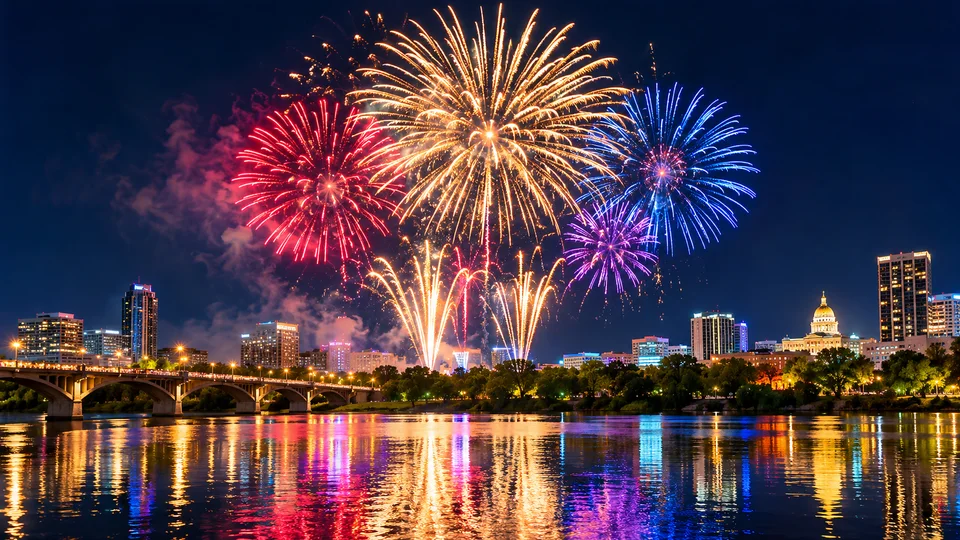
New Year’s Day marks the beginning of the Gregorian civil year. In Poland, the evening before is called Sylwester because 31 December is the feast of Saint Sylvester. The festive countdown belongs mainly to that evening; 1 January is often a slower day.
Some people recover from parties or public celebrations, visit family or take a walk. Catholics may also attend the feast of Mary, Mother of God.
Check late-night return travel and the next day’s reduced opening hours. Public celebrations and fireworks rules vary by place.
Dates and regions
- · National calendar
- · National calendar
- · National calendar
Pentecost
Pentecost
Pentecost takes its name from the Greek for “fiftieth”, because it falls fifty days after Easter Sunday when counted inclusively. Christians remember the descent of the Holy Spirit described in the Acts of the Apostles. In Poland it is also called Zielone Świątki, the Green Holidays.
Church services mark the day. The Polish folk name also recalls spring greenery used to decorate homes and farm buildings; these customs are more visible in some communities than others.
The Polish public holiday falls on Sunday. Check actual venue hours rather than expecting an additional Monday holiday.
Dates and regions
- · National calendar
- · National calendar
- · National calendar
St. Stephen's Day
St. Stephen's Day
Saint Stephen’s Day remembers the man described in the Acts of the Apostles as the first Christian martyr. In Poland, 26 December is also the second day of Christmas, continuing the holiday after Christmas Day. It has a different religious meaning from the birth celebrated the day before.
Many people visit relatives, share another meal or attend church. For visitors, it often feels like a quieter continuation of Christmas rather than a separate public festival.
Check holiday transport and opening hours for this day too; normal service does not necessarily return on 26 December.
Dates and regions
- · National calendar
- · National calendar
- · National calendar